Ting Wai Klang Tang (ทิ้งไว้กลางทาง): meaning and key lines
POTATOโปเตโต้
What the song is about
ทิ้งไว้กลางทางtíng wái glaang-taang, “Ting Wai Klang Tang (Left Halfway)”, is a Thai rock song by POTATO (2015). A breakup song without anger: he tells the woman he loves that she did the right thing to choose someone else and leave him halfway down the road they were walking together. Its plain, everyday words teach when and since clauses, leaving someone behind, letting someone go, being afraid of something, and the road words Thai love songs are full of.
Free, no sign-up: learn the key lines and words with audio, then sing along.
Song facts
- Artist
- POTATO
- Released
- 2015
- Style
- Thai rock
- Level
- B1 (intermediate)
- Mood
- heartbroken, selfless, letting go
- Views
- about 293M (Oct 2026)
- Video
- Genierock (Genie Records, the band's label)
- Lyrics
- Key lines quoted; the full song is in the video
Key lines, explained
Tap a line to hear it. Once the video is playing, lines jump to their moment in the song.
- มัน manดี diiแค่ไหน kâe-nǎiกัน ganที่ tîiเรา raoได้ dâiร่วมทาง rûam-taang
How good it's been, that we got to share the road
แค่ไหนkâe-nǎi = how much, to what extent: ดีแค่ไหนdii kâe-nǎi = how good. กันgan after a question word makes it rhetorical, almost a sigh: ดีแค่ไหนกันdii kâe-nǎi gan = how good it has been! มันman (it) only fills the beat. ได้dâi before a verb = got to, had the chance to. ร่วมทางrûam-taang = to travel together, to share the road (ร่วมrûam = to share, to take part; ทางtaang = way, road): the first of the song's road words. The line runs on: all the way to today, for such a long time. - เมื่อ mûeaเธอ toeจะ jàไป bpaiก็ gâwเข้าใจ kâo-jai
Since you're leaving, I understand
เมื่อmûea = when; with ก็gâw in the second half it means 'when…, then…' or 'since…, (then)…': เมื่อเธอจะไปก็เข้าใจmûea toe jà bpai gâw kâo-jai = since you're going, I understand. จะไปjà bpai = to be going (to leave). เข้าใจkâo-jai = to understand, literally 'to enter the mind'. In conversation you'd more likely say ถ้าtâa (if) here: เมื่อmûea has the written sound song lyrics like, and a plain 'when' in speech is ตอนที่dtawn-tîi. - ทำถูก tam tùukแล้ว láewที่ tîiเธอ toeเลือก lûeakเขา kǎoและ láeทิ้ง tíngฉัน chǎnไว้ wáiตรง dtrongกลางทาง glaang-taang
You did the right thing, choosing him and leaving me halfway down the road
ทำถูกtam tùuk = to do the right thing (ถูกtùuk = right, correct here; in a shop it means cheap), and แล้วláew = already: ทำถูกแล้วtam tùuk láew = you did right. ที่tîi + what she did says what she was right about: ทำถูกแล้วที่เลือกเขาtam tùuk láew tîi lûeak kǎo = you were right to choose him. เลือกlûeak = to choose. ทิ้งtíng … ไว้wái = to leave someone or something behind: ทิ้งฉันไว้tíng chǎn wái = left me (there). กลางทางglaang-taang = halfway, in the middle of the road (กลางglaang = middle), the title; ตรงdtrong = right (at), exactly. There's no sarcasm in it: this is a love that steps aside. - ยอม yawmฝืนใจ fǔuen-jaiให้ hâiเธอ toeเดิน doenจาก jàakฉัน chǎnไป bpai
I force myself to let you walk away from me
ยอมyawm = to be willing, to give in (to something hard). ฝืนใจfǔuen-jai = to act against your own heart, to make yourself do it (ฝืนfǔuen = to go against): ยอมฝืนใจyawm fǔuen-jai = I make myself, though it hurts. ให้hâi + person + verb = to let someone…: ให้เธอไปhâi toe bpai = to let you go. เดินdoen = to walk; จากjàak … ไปbpai = to go away from: เดินจากฉันไปdoen jàak chǎn bpai = walk away from me. The chorus ends with him knowing she has found someone to take her all the way, to ปลายทางbplaai-taang, the end of the road. - ความจริง kwaam-jingที่ tîiฉัน chǎnกลัว gluaกลัว gluaการ gaanไม่ mâiมี miiเธอ toe
The truth that scares me: I'm scared of not having you
ความจริงkwaam-jing = the truth: ความkwaam turns an adjective into a noun (จริงjing = true). ที่tîi = that, which: ความจริงที่ฉันกลัวkwaam-jing tîi chǎn glua = the truth that I fear. กลัวglua = to be afraid (of). การgaan + verb = the act of…: การไม่มีเธอgaan mâi mii toe = not having you, so กลัวการไม่มีเธอglua gaan mâi mii toe = afraid of being without you. In speech you'd just say กลัวไม่มีเธอglua mâi mii toe: the การgaan is a songwriter's touch.
Words you'll learn
- แค่ไหน kâe-nǎi
how much, to what extent
- ร่วมทาง rûam-taang
to travel together, to share the road
เพื่อนร่วมทางpûean rûam-taang = a travelling companion.
- เข้าใจ kâo-jai
to understand
- ทำถูก tam tùuk
to do the right thing
- เลือก lûeak
to choose, to pick
- ทิ้ง tíng
to throw away; to leave behind
- กลางทาง glaang-taang
halfway, midway (on the way)
- ยอม yawm
to give in, to agree (to), to be willing (to); to let
- ฝืนใจ fǔuen-jai
to force (yourself or someone) against their will
- ความจริง kwaam-jing
the truth
- กลัว glua
to be afraid (of), scared
What you're afraid of comes straight after it, with no word for of: กลัวทะเลglua tá-lee (scared of the sea).
- การ gaan
-ing, -tion: turns a verb into a noun (the act of …)
Slang and casual Thai
- มัน man
it (a filler that points back at the subject)
มันดีแค่ไหนman dii kâe-nǎi is simply 'how good (it was)': the มันman adds weight and fills the beat, as in a lot of Thai rock. For a person, มันman is rude.
Grammar in this song
เมื่อmûea … ก็gâw … = when…, (then)…; since…: เมื่อเธอจะไปก็เข้าใจmûea toe jà bpai gâw kâo-jai. Everyday speech prefers ถ้าtâa … ก็gâw …, if…, then…: ถ้าฝนตกก็ไม่ไปtâa fǒn dtòk gâw mâi bpai = if it rains, I won't go.
ทิ้งtíng + thing or person + ไว้wái = to leave it (behind, there): ทิ้งกระเป๋าไว้ในรถtíng grà-bpǎo wái nai rót = to leave your bag in the car. ให้hâi + person + verb = to let someone…: ให้เธอเดินจากฉันไปhâi toe doen jàak chǎn bpai. การgaan + verb = the act of…: การเดินทางgaan doen-taang = travelling, a journey.
The culture behind it
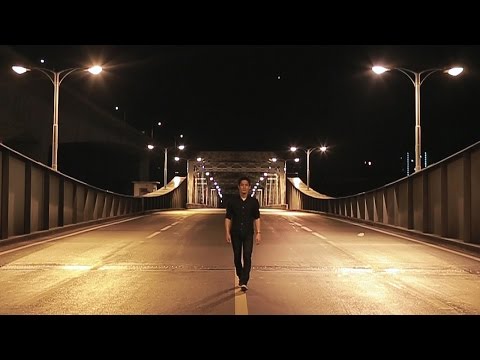
POTATO (โปเตโต้bpoo-dtee-dtôo) has been one of Thailand's best-loved rock bands since its first album in 2001, fronted since 2003 by singer Pup (Patchai Pukdesusook). "ทิ้งไว้กลางทางtíng wái glaang-taang" came out on 1 July 2015 on Genie Records, a GMM Grammy label: it passed a million YouTube views in six hours and went to number one on the iTunes Store in Thailand. Once the video had 100 million views it became a four-part TV drama on GMM25 that October, with Pup in the lead. The video was filmed around Bangkok, from Khao San Road to Silom, with Krung Thep Bridge closed off for a night to shoot it.
Thai love songs often talk about love as a road, ทางtaang: ร่วมทางrûam-taang (to walk it together), กลางทางglaang-taang (halfway), ปลายทางbplaai-taang (the destination) and, from POTATO's own 2013 single, ระหว่างทางrá-wàang-taang (along the way). The same words are everyday travel Thai: a bus that stops กลางทางglaang-taang stops on the way, and your ปลายทางbplaai-taang is where you are going.
Learn “Ting Wai Klang Tang” in about 6 minutes
Hear each key line, learn its words with audio and fill the gaps as you sing along. Free, no sign-up needed.
More songs to learn Thai



Written by the Learn Thai For Free team
Audio: AI voices, quality-checked for tones