Thai Alphabet Song (ก เอ๋ย ก ไก่): meaning and key lines
Traditional, author unknown
What the song is about
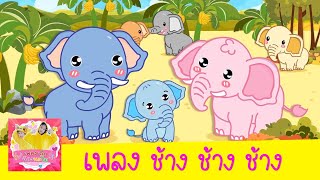
ก เอ๋ย ก ไก่gaw ǒei gaw gài, “Thai Alphabet Song (Ko Oei Ko Kai)”, is a Thai children's song by an unknown author, first printed in 1947. The rhyme every Thai child chants to learn the 44 consonants, each named after a picture word: chicken, egg, buffalo, snake, elephant, owl. It is the classic first step into reading Thai, and almost every adult in Thailand can still sing it. The words are old and in the public domain.

Free, no sign-up: learn the key lines and words with audio, then sing along.
Song facts
- Words
- Traditional, author unknown (sung here by KidsMeSong)
- First printed
- 1947
- Style
- Children's song
- Level
- A1 (beginner)
- Mood
- playful, sing-along
- Views
- about 290M (Oct 2026)
- Video
- KidsMeSong (verified kids' channel)
- Lyrics
- Public domain
Key lines, explained
Tap a line to hear it. Once the video is playing, lines jump to their moment in the song.
- ก gawเอ๋ย ǒeiก gawไก่ gàiข kǎwไข่ kàiอยู่ yùuใน naiเล้า láo
Gaw, oh gaw, gaw for chicken; kaw for the egg in the coop.
Each letter is named after a word that starts with it: กgaw is กไก่gaw gài, 'g for chicken', and ขkǎw is ขไข่kǎw kài, 'k for egg'. เอ๋ยǒei is an old-fashioned 'oh!' for calling out. อยู่ในyùu nai = to be in: ไข่อยู่ในเล้าkài yùu nai láo = the egg is in the coop (เล้าláo = a coop or pen). - ฃ kǎwขวด kùatของ kǎwngเรา raoค kawควาย kwaaiเข้า kâoนา naa
Kaw for our bottle; kaw for the buffalo going into the rice field.
ฃkǎw here, and ฅkaw right after this line, are no longer used in writing (ขkǎw and คkaw took over), but children still recite them, so the rhyme keeps all 44 letters. ขวดkùat = bottle; ของเราkǎwng rao = our, ours. ควายkwaai = water buffalo, the rice farmer's old partner; เข้านาkâo naa = to go into the rice field (นาnaa). - ง ngawงู nguuใจกล้า jai-glâaจ jawจาน jaanใช้ cháiดี dii
Ngaw for the brave snake; jaw for the handy plate.
งngaw is the 'ng' of 'sing', which Thai also uses at the start of words: งูnguu = snake. ใจกล้าjai-glâa = brave, bold: a brave heart (กล้าglâa = to dare). จjaw is จานjaan, a plate; ใช้ดีchái dii = good to use, handy. - ฉ chǎwฉิ่ง chìngตี dtiiดัง dangช chawช้าง cháangวิ่ง wîngหนี nǐi
Chaw for the cymbals that ring out loud; chaw for the elephant running away.
ฉchǎw is ฉิ่งchìng, the small cup-shaped cymbals that keep the beat in Thai music: ตีdtii = to strike, ดังdang = loud. ชchaw is ช้างcháang, the elephant, here วิ่งหนีwîng nǐi, running away. ฉchǎw and ชchaw sound the same except for the tone: high-class letters like ฉchǎw have a rising tone in their name. - น nawหนู nǔuขวักไขว่ kwàk-kwàiบ bawใบไม้ bai-máaiทับถม táp-tǒm
Naw for the mice scurrying about; baw for the leaves piling up.
นnaw is หนูnǔu, a mouse or rat (also a sweet way to say 'you' to a child). ขวักไขว่kwàk-kwài = scurrying back and forth. บbaw is ใบไม้bai-máai, a leaf: ใบbai (leaf, sheet) + ไม้máai (wood, tree). ทับถมtáp-tǒm = to pile up, one on top of another. - ม mawม้า máaคึกคัก kúek-kákย yawยักษ์ yákเขี้ยว kîawใหญ่ yài
Maw for the lively horse; yaw for the giant with big fangs.
มmaw is ม้าmáa, a horse, คึกคักkúek-kák, lively and full of energy (a busy market is คึกคักkúek-kák too). ยyaw is ยักษ์yák, a giant: huge painted ยักษ์yák guard temple gates, with เขี้ยวkîaw, fangs, that are ใหญ่yài, big. - ร rawเรือ rueaพาย paaiไป bpaiล lawลิง lingไต่ราว dtài raao
Raw for the boat paddling along; law for the monkey climbing along the rail.
รraw is เรือruea, a boat; พายไปpaai bpai = to paddle along (พายpaai = to paddle, to row; also a paddle). ลlaw is ลิงling, a monkey, ไต่ราวdtài raao, climbing along a rail or bar. - อ awอ่าง àangเนืองนอง nueang-nawngฮ hawนกฮูก nók-hûukตา dtaaโต dtoo
Aw for the brimming basin; haw for the big-eyed owl.
The famous ending. อaw is อ่างàang, a basin or tub, เนืองนองnueang-nawng, brimming with water. ฮhaw, the 44th and last consonant, is นกฮูกnók-hûuk, an owl (นกnók = bird), with ตาโตdtaa dtoo, big eyes.
Words you'll learn
- ไก่ gài
chicken
Plain g, no puff of air, low tone. With a puff of air, ไข่kài is egg.
- ไข่ kài
egg
Aspirated k (with a puff of air), low tone. Without the puff, ไก่gài is chicken.
- ควาย kwaai
water buffalo; (insult) idiot
Also a rude word for 'stupid', so don't call anyone a buffalo.
- งู nguu
snake
- จาน jaan
plate; a plate of (food)
After a dish and a number, จานjaan counts plates: ข้าวมันไก่สองจานkâao-man-gài sǎwng jaan is two plates of chicken rice.
- ช้าง cháang
elephant
Thailand's national animal; Thai Elephant Day is 13 March.
- ใบไม้ bai-máai
leaf, leaves
- ม้า máa
horse
High tone; with a rising tone, หมาmǎa is a dog.
- เรือ ruea
boat
You ride a boat like any vehicle: นั่งเรือnâng ruea (take the boat).
- นกฮูก nók-hûuk
owl
- ขวด kùat
bottle; counting word for bottles
Like แก้วgâew and จานjaan, a container counts what's in it: น้ำสองขวดnáam sǎwng kùat two bottles of water.
- ฉิ่ง chìng
small Thai cymbals
- อ่าง àang
basin, tub
อ่างล้างหน้าàang láang nâa = washbasin.
- เล้า láo
coop, pen (for chickens or pigs)
- ตา dtaa
eye
Also 'grandfather' (your mother's father): same word, same tone.
- วิ่ง wîng
to run
Falling tone. Chiang Mai runners do laps of the old city moat at dawn, before the heat.
- เอ๋ย ǒei
oh! (calling out, old-fashioned)
- ใจกล้า jai-glâa
brave, bold
- เขี้ยว kîaw
fang, canine tooth
- พาย paai
to paddle, to row; a paddle
- ไต่ราว dtài raao
to climb along a rail or bar
- คึกคัก kúek-kák
lively, bustling
- ขวักไขว่ kwàk-kwài
scurrying back and forth
- ทับถม táp-tǒm
to pile up
- เนืองนอง nueang-nawng
brimming, overflowing
Grammar in this song
A letter's name is its sound plus "aw", followed by its keyword: กgaw → กไก่gaw gài, มmaw → มม้าmaw máa. The tone of the name depends on the letter's class: high-class letters are said with a rising tone (ขkǎw, ฉchǎw, หhǎw), mid- and low-class letters with a mid tone (กgaw, คkaw, ชchaw). That's why the keyword matters: ขไข่kǎw kài and คควายkaw kwaai are both 'k', and Thais spell words out loud with the keywords.
Descriptions come after the noun, as in all Thai: งูใจกล้าnguu jai-glâa (a brave snake), ช้างวิ่งหนีcháang wîng nǐi (an elephant running away), นกฮูกตาโตnók-hûuk dtaa dtoo (an owl with big eyes, literally 'owl, eyes big'). อยู่ในyùu nai = to be in a place: ไข่อยู่ในเล้าkài yùu nai láo.
The culture behind it
Every Thai letter has a name: its sound plus a keyword, the way English once had "A for apple". กgaw is กไก่gaw gài, "g for chicken", and this is how Thais spell words out loud. A full set of 44 keywords first appeared together in Prince Damrong's quick-reading primer around 1900, and the teacher Yuan Thannithet wrote the first rhyming version around 1930. The rhyme Thais chant today comes from a children's primer printed by the Prachachang company in 1947. Nobody knows who wrote it: the historian Anek Nawikamul asked the publisher, who didn't know either. Later editions changed a few words: in 1947 the elephant did 'not run away', ไม่หนีmâi nǐi.
Children recite it at kindergarten, often to a sing-song chant, and almost every Thai adult can still rattle it off. Two of its letters, ฃkǎw and ฅkaw, are no longer used in writing, but they keep their place in the rhyme. Learn the first few lines and you'll know how Thais name their letters, which makes spelling a word out loud (ขไข่kǎw kài or คควายkaw kwaai?) much easier, and you'll have a song every Thai can join in.
Learn “Thai Alphabet Song” in 5 minutes
Hear each key line, learn its words with audio and fill the gaps as you sing along. Free, no sign-up needed.
More songs to learn Thai



Written by the Learn Thai For Free team
Audio: AI voices, quality-checked for tones