Phu Ying Lai Mue (ผู้หญิงหลายมือ): meaning and key lines
Siriporn Ampaipongศิริพร อำไพพงษ์
What the song is about
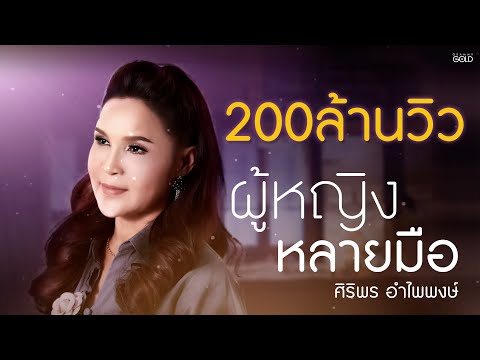
ผู้หญิงหลายมือpûu-yǐng lǎai muue, “Phu Ying Lai Mue (A Woman Who's Been Through Many Hands)”, is a luk thung song by Siriporn Ampaipong (2018). A woman whom lovers have left again and again, and whom people judge for her past, is afraid to believe the new man who says he loves her. Siriporn Ampaipong, a veteran of Isan luk thung and mor lam, sings it with sympathy for women judged by their past. It teaches heartbreak words, the Isan way to say 'please' and 'is there…?', how to say 'have ever' and 'back and forth', and the title's image of a woman passed from hand to hand.
Free, no sign-up: learn the key lines and words with audio, then sing along.
Song facts
- Artist
- Siriporn Ampaipong
- Released
- 2018
- Style
- Luk thung
- Level
- B2 (upper intermediate)
- Mood
- wounded, wary, pleading
- Views
- about 241M (Oct 2026)
- Video
- Grammy Gold Official
- Lyrics
- Key lines quoted; the full song is in the video
Key lines, explained
Tap a line to hear it. Once the video is playing, lines jump to their moment in the song.
- อกหัก òk-hàkมา maaน้ำตา náam-dtaaพังหย่าว pang yàao
Heartbroken, my tears burst out like a broken dam.
อกหักòk-hàk, literally 'broken chest', = heartbroken. มาmaa after a verb = (have) come through it: อกหักมาòk-hàk maa = I've been heartbroken. น้ำตาnáam-dtaa = tears, 'eye water'. พังpang = to break down, to collapse, and Isan หย่าวyàao adds the rush: พังหย่าวpang yàao = to burst out, like water from a broken dam. - ดีใจ dii-jaiหลาย lǎaiที่ tîiอ้าย âaiบอก bàwkฮัก hák
I'm so glad you say you love me.
ดีใจdii-jai = glad, happy (about something). Isan หลายlǎai after a word = very (มากmâak): ดีใจหลายdii-jai lǎai = so glad. ที่tîi + clause = that…: ดีใจที่ได้เจอdii-jai tîi dâi joe = glad to meet you. อ้ายâai, 'older brother', is the man she's talking to: you. บอกฮักbàwk hák = บอกรักbàwk rák, to tell someone you love them. - น้อง náwngเคย koeiผ่าน pàanมือ muueชาย chaai
I've been through men's hands before.
She calls herself น้องnáwng, the younger one. เคยkoei + verb = have (ever) done, have been: เคยไปไหมkoei bpai mǎi = have you ever been? ผ่านpàan = to pass, to go through, and มือmuue = a hand: ผ่านมือpàan muue, to pass through someone's hands, is said of second-hand things, like a car that has had several owners. ชายchaai = male, men, a more formal word than ผู้ชายpûu-chaai. People use the same picture of a woman: there have been men in her life before. - ถิ่ม tìmไป bpaiถิ่ม tìmมา maaเปลี่ยน bplìanมือ muue
Thrown away again and again, changing hands.
Isan ถิ่มtìm = ทิ้งtíng, to throw away, to dump. Verb + ไปbpai + verb + มาmaa = to do it back and forth, again and again: เดินไปเดินมาdoen bpai doen maa = to walk up and down, so ถิ่มไปถิ่มมาtìm bpai tìm maa = dumped again and again. เปลี่ยนbplìan = to change: เปลี่ยนมือbplìan muue = to change hands, to pass to a new owner. - บอก bàwkน้อง náwngแน naeฮักแท้ hák-táeมี miiบ่ bàw
Tell me, please: is there such a thing as true love?
บอกน้องbàwk náwng = tell me (she is น้องnáwng). Isan แนnae after a request softens it, like Central หน่อยnàwy: บอกน้องแนbàwk náwng nae = please tell me. ฮักแท้hák-táe = รักแท้rák-táe, true love. มีบ่mii bàw at the end asks 'is there?', like Central มีไหมmii mǎi: ฮักแท้มีบ่hák-táe mii bàw = does true love exist? - ให้ hâiเห็นค่า hěn kâaผู้หญิง pûu-yǐngหลายมือ lǎai muue
See the worth of a woman who's been through many hands.
The title. ให้hâi + verb asks someone to do it: (please) see… เห็นค่าhěn kâa = to see the worth of, to value (เห็นhěn = to see, ค่าkâa = value). ผู้หญิงpûu-yǐng = a woman. หลายมือlǎai muue, 'many hands', is said of a used thing that has had many owners; said of a woman, it judges her for her past. She draws out the last two words for several seconds.
Words you'll learn
- อกหัก òk-hàk
heartbroken (literally 'broken chest')
- ดีใจ dii-jai
glad, happy (about something)
Happy about something that just happened: ดีใจที่ได้เจอdii-jai tîi dâi joe glad we met. Lasting happiness is มีความสุขmii kwaam-sùk.
- เคย koei
have ever (done); used to
It goes before the verb: เคยไปkoei bpai have been; ไม่เคยmâi koei never.
- เปลี่ยน bplìan
to change, to exchange
For clothes, plans and trains alike: เปลี่ยนรถไฟbplìan rót-fai change trains.
- ฮักแท้ hák-táe
true love (Isan)
Central Thai: รักแท้rák-táe.
- เห็นค่า hěn kâa
to appreciate, to see the worth of
เห็นค่าของตัวเองhěn kâa kǎwng dtua-eeng = to value yourself.
- พังหย่าว pang yàao
to burst out, to pour out (Isan)
Isan หย่าวyàao on its own is the shout that starts the music at a mor lam show: 'let's go!'
- หลายมือ lǎai muue
passed through many hands
มือสองmuue-sǎwng = second-hand, used.
Grammar in this song
Isan requests and questions. แนnae after a request = please, a little (Central หน่อยnàwy): บอกน้องแนbàwk náwng nae = please tell me. บ่bàw at the end asks a yes/no question, like ไหมmǎi: มีบ่mii bàw = is there?, ฮักบ่hák bàw = do you love me? And หลายlǎai after a word = very: ดีใจหลายdii-jai lǎai = so glad.
Back and forth: verb + ไปbpai + verb + มาmaa. เดินไปเดินมาdoen bpai doen maa = to walk up and down, คิดไปคิดมาkít bpai kít maa = to think it over and over, ถิ่มไปถิ่มมาtìm bpai tìm maa = dumped again and again.
Have you ever…? เคยkoei + verb. เคยไปเชียงใหม่ไหมkoei bpai chiang-mài mǎi = have you ever been to Chiang Mai? And ไม่เคยmâi koei = never.
The culture behind it
Siriporn Ampaipong (ศิริพรอำไพพงษ์sì-rí-pawn am-pai-pong) was born Sirima Amken in 1964 in Phibun Rak district, Udon Thani. She has sung luk thung and mor lam since 1983, for Grammy Gold since 2000; fans know her for her husky voice, and in 2022 she was named an Isan Heritage Artist (Thai Wikipedia). She also sang 'Khit Hod' (2010) with the rock band Bodyslam.
'Phu Ying Lai Mue', words and music by Nattaphon Champa, came out in May 2018 as this lyric video. GMM Grammy presented it as the story of a woman left again and again by the men she loved, and Siriporn said many women would see their own lives in it. It passed 20 million views within a month, and in August 2018 a music video followed, with the actress Tom Rachanikorn as a masseuse raising her children on her own, which Sanook described as encouragement for single mothers.
Many hands. Thai describes second-hand things by the hands they've been through: มือสองmuue-sǎwng, 'second hand', is used, and a thing with many past owners is หลายมือlǎai muue. Said of a woman, it is a harsh judgement, and the song takes the side of the woman being judged: Siriporn said it wants people to see that such a woman is not the bad person society brands her (GMM Grammy, August 2018).
Learn “Phu Ying Lai Mue” in about 7 minutes
Hear each key line, learn its words with audio and fill the gaps as you sing along. Free, no sign-up needed.
More songs to learn Thai


Written by the Learn Thai For Free team
Audio: AI voices, quality-checked for tones